
When Your Child Is Struggling and You’re Not Sure How to Help
Every child experiences emotional ups and downs. But sometimes worries, big feelings, or difficult experiences can become overwhelming for them and confusing for parents.
You might notice your child:
Becoming more withdrawn or anxious
Having sudden mood changes or emotional outbursts
Struggling at school or avoiding activities
Having difficulty sleeping or concentrating
Expressing fears or worries that seem hard to calm
When children don’t yet have the words to explain how they feel, those emotions often show up through behavior. If you’re searching for “child therapy near me” or “children’s counselling in Halifax,” you’re already taking a caring and important step toward helping your child feel supported. Children’s therapy helps kids and teens understand their emotions, develop coping skills, and feel safe expressing themselves.
What Is Children’s Therapy?
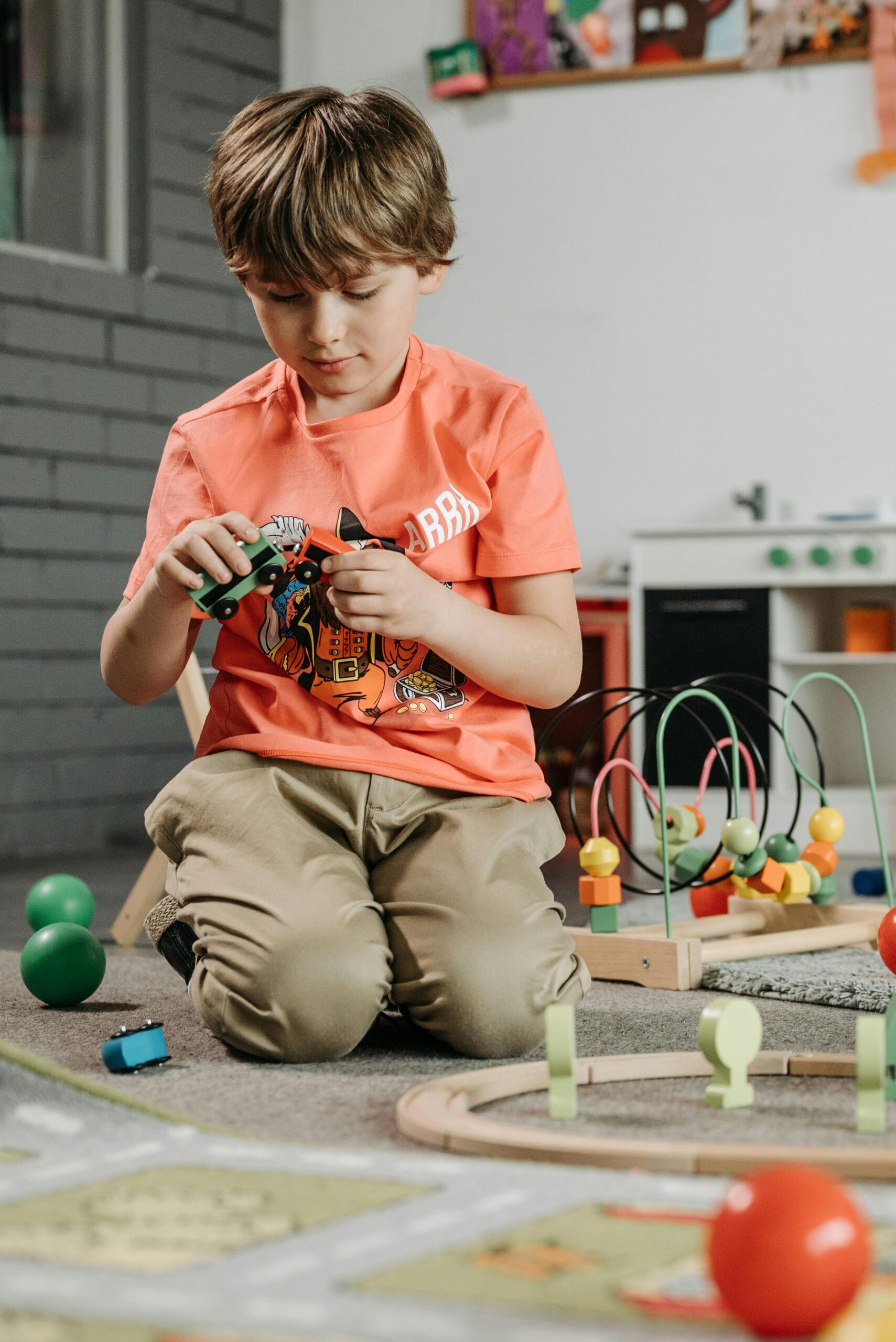
Children’s therapy, sometimes called child counseling or therapy for kids, is a specialized form of mental health support designed to meet the developmental and emotional needs of children and adolescents. Unlike adult therapy, children often express emotions through
Play
Drawing or creative activities
Storytelling
Games
Role-play
These activities allow pediatric therapists to understand what a child may be feeling even when they cannot easily put it into words. Pediatric therapy programs may include approaches such as:
Play therapy
Parent guidance and family support
The goal is to help children develop emotional awareness, confidence, and healthier coping strategies.
How Does Children’s Therapy Work?
Children experience the world differently than adults. They often communicate feelings through behavior rather than direct conversation. When something stressful or confusing happens in a child’s life, such as family changes, bullying, or anxiety, their emotional system may struggle to process it. Therapy for kids’ emotional support provides a safe space where kids can explore feelings in a way that feels natural to them.
During child counselling sessions:
Your child builds a trusting relationship with their counsellor.
Emotions are explored through play, conversation, or creative expression
The child psychologist helps children identify and understand their feelings
Kids learn practical skills to manage worries and strong emotions
Parents are also often included in parts of the process so they can support their child’s emotional growth at home. Many families seeking child therapy in Halifax choose professional support because early guidance can make a significant difference in a child’s emotional development.
Challenges Children’s Therapy Can Help With
Children and teens may struggle with many emotional or behavioral challenges as they grow and develop. Child behavioral therapy can help with a wide range of concerns.
Anxiety in Children
Childhood anxiety is increasingly common and can show up in many ways. Children may experience the following:
Excessive worry about school or friendships
Separation anxiety
Fear of new situations
Physical symptoms like stomach aches or headaches
Child therapy helps children develop coping tools that allow them to feel calmer and more confident.
Emotional Regulation Difficulties
Some children feel emotions very intensely and may struggle to manage them. Therapy helps kids learn how to:
Recognize feelings early
Express emotions safely
Calm themselves during distress
Behavioral Challenges
Sometimes children express emotional struggles through behavior. This may include:
Anger outbursts
Difficulty following rules
Impulsive reactions
Conflict with siblings or peers
Therapy helps children understand their feelings and develop healthier ways to respond.
School-Related Stress
School can bring significant pressure for many children and teens. Therapy can support children experiencing:
Academic anxiety
Social difficulties
Bullying experiences
Lack of confidence in school environments
Child Counseling Services Can Also Support
If you’ve been searching for a “child counsellor,” therapy may also help children facing:
Family changes such as divorce or separation
Grief or loss
Trauma or stressful life events
Low self-esteem
Attention or focus difficulties
Friendship challenges
Life transitions such as moving or starting a new school
Early support often helps prevent small struggles from becoming larger emotional challenges later in life.
Our Therapy for Child Development—Step-by-Step Process
Every child is unique, so therapy is always tailored to their age, personality, and needs. Here’s a general overview of how children’s therapy often unfolds.
Step 1: Parent Consultation and Assessment
The first step usually involves meeting with parents or caregivers. This session allows the speech therapist to understand:
Your child’s challenges
Family dynamics
Emotional or behavioral patterns
Goals for therapy
This stage helps create a supportive plan for your child’s care.
Step 2: Building Trust With Your Child
Children need to feel safe and comfortable before they can open up. The behavioral therapist focuses on building a trusting relationship through:
Play
Creative activities
Gentle conversation
This phase helps children feel relaxed and understood.
Step 3: Exploring Emotions Through Play or Expression
Children often communicate emotions through play rather than direct conversation. Activities may include:
Drawing or art
Storytelling
Role-play
Games designed to explore feelings
These methods help children express experiences that may be difficult to explain with words.
Step 4: Developing Emotional Skills
As therapy progresses, children begin learning practical tools such as:
Identifying emotions
Coping with anxiety or frustration
Communicating feelings more clearly
These skills help children feel more confident navigating everyday challenges.
Step 5: Parent Support and Guidance
Parents play an important role in a child’s emotional development. Therapists may provide guidance on:
Supporting emotional regulation at home
Responding to difficult behaviors
Encouraging healthy communication
This collaborative approach strengthens the overall impact of therapy.
Step 6: Building Confidence and Resilience
Over time, therapy helps children:
Develop stronger coping skills
Improve self-confidence
Strengthen relationships with family and peers
The goal is to help children feel more secure, capable, and emotionally balanced.
Tools & Techniques Used in Children’s Counselling
Child therapists use a variety of creative and evidence-based techniques tailored to a child’s developmental stage. Common tools include:
Play Therapy: Using play to help children express emotions and process experiences.
Art and Creative Expression: Drawing, storytelling, and crafts that help children communicate feelings.
Cognitive Behavioral Therapy for Children: Teaching kids how thoughts, feelings, and behaviors connect.
Mindfulness Techniques for Kids: Simple exercises that help children calm their minds and bodies.
Emotion Coaching: Helping children recognize and express feelings in healthy ways.
These approaches help children build emotional awareness and coping skills in a supportive environment.
Benefits of Children’s Therapy
Occupational therapy for kids supports emotional growth and helps kids develop skills that benefit them throughout life. Families often notice improvements such as:
Reduced anxiety and emotional distress
Better emotional regulation
Increased confidence and self-esteem
Improved communication skills
Stronger relationships with family and peers
Greater resilience during challenges
Therapy can help children feel understood, supported, and empowered.
What Happens If Emotional Challenges Are Ignored in a Child?
Many childhood struggles improve with time, but some challenges may continue if children don’t receive the support they need. Over time, unresolved emotional difficulties may lead to:
Ongoing anxiety or low mood
Academic struggles
Difficulty forming friendships
Behavioral challenges at home or school
Reduced confidence and self-esteem
Early emotional support helps children develop healthy coping strategies that benefit them throughout their lives.
Kid’s Therapy Is For
Our therapy for child emotional regulation services support:
Children aged 5 and up
Pre-teens navigating emotional changes
Teenagers facing social or academic stress
Families seeking guidance and support
Therapy may be helpful for children who feel overwhelmed, anxious, or stuck in difficult emotional patterns.
Why Choose Our Children’s Therapy in Halifax?
Finding the right counsellor for your kid is an important choice. At our practice, we provide:
Therapist trained in child and adolescent counselling
Evidence-based therapy approaches
Age-appropriate play and creative therapy techniques
A safe and supportive environment for children
Guidance and support for parents
Flexible scheduling options
In-person and online therapy sessions when appropriate
We understand how important it is for parents to feel confident that their child is receiving compassionate and professional care. Our goal is to help children feel safe, understood, and supported as they grow.
Areas We Serve in Halifax—Child Mental Health Therapy
We provide child counselling services throughout the Halifax Regional Municipality, including:
Sackville
Clayton Park
Timberlea
Cole Harbour
We also offer online counselling across Nova Scotia for families outside the Halifax area.
Frequently Asked Questions
What age can children start therapy?
It depends on the child’s developmental stage and needs. Many psychotherapists work with children starting around age 5.
How long does children’s therapy take?
The length of therapy varies depending on your child’s challenges. Some children benefit from short-term support, while others may need longer guidance.
Will parents be involved in therapy?
Yes, parent collaboration is often an important part of children’s therapy. We may offer guidance and feedback to support progress at home.
How do I know if my child needs therapy?
If your child’s emotions, behavior, or stress levels are affecting daily life, school, or relationships, therapy may provide helpful support.
Do you offer child therapy near me?
If you live in or near Halifax, we offer in-person children’s therapy sessions. We also provide online therapy across Nova Scotia for families who prefer virtual support.
Your First Step Matters
Supporting your child’s emotional well-being is one of the most meaningful investments you can make in their future. Children’s therapy provides a safe space where kids can learn to understand their emotions, develop coping skills, and build confidence.
If you’re looking for child therapy clinic services in Halifax, we’re here to help you. Reach out today to book your first consultation and take the first step toward supporting your child’s emotional growth.
