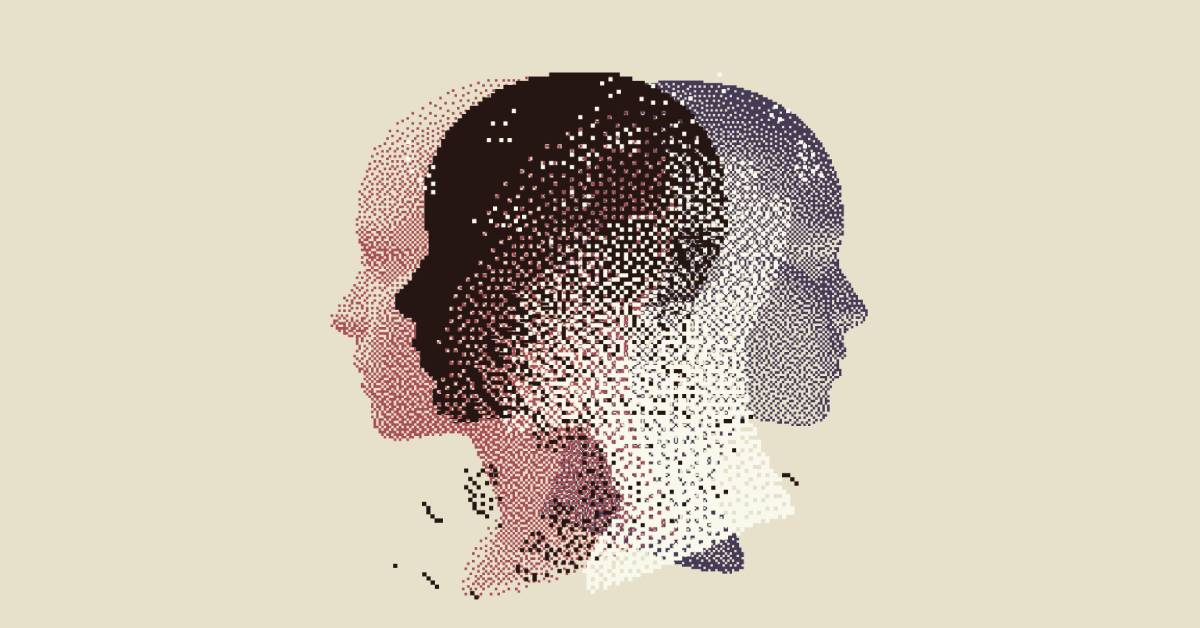
When You Feel Pulled in Different Directions Inside
If it feels like different parts of you are constantly in conflict. Some want relief while others block change. Your nervous system may be trying to protect you by activating different internal parts that learned how to cope long ago but now feel out of balance.
Parts Work therapy helps you understand and harmonize these parts so your mind can work as a cohesive whole. If you’re searching for “parts therapy in Halifax,” you’re already taking an important first step toward deeper self-understanding and emotional relief.

What Is Parts Work?
Parts work is a therapeutic approach rooted in the idea that our psyche is composed of distinct parts, or subpersonalities. Each part develops its own role, beliefs, and emotional responses based on your life experiences.
Some parts may:
Try to protect you from pain
Criticize or judge
Avoid discomfort at all costs
Attempt to control emotions
Distract you with thoughts or behaviors
This internal system once helped you cope, but over time, conflicts between parts can create emotional distress, confusion, or stuck patterns. Trauma parts therapy is one of the most respected trauma-informed approaches in psychology. When it comes to understanding inner experience and emotional regulation.
Rather than pathologizing inner conflict, this approach helps you get to know your parts compassionately. It transforms internal struggle into internal cooperation.
How Does Parts Work Therapy Work?
When something emotionally significant happens, especially in early life. Your psyche may divide emotional experience into distinct parts to help manage pain.
Over Time, Those Parts Can Become
Overactive (like an inner critic)
Underrepresented (like a vulnerable child part)
Hyper-protective (like a worrywart)
Split off from conscious awareness
This can make it feel like you’re not fully in control of your own emotional world.
Emotional Healing Therapy Helps
Identifying the parts that show up in your thoughts, feelings, or behaviors
Understanding why each part developed and what role it believes it plays
Listening to these parts in a compassionate way rather than pushing them away
Helping each part find a healthier role that no longer keeps you stuck
Ego State Therapy Sessions
Your therapist helps you connect with internal parts in a safe, grounded way
You learn to dialogue with parts rather than ignore or suppress them
Your nervous system learns that distressing parts no longer need to fight for attention
Parts begin cooperating rather than conflicting
Many clients find that self-part integration therapy can bring relief faster than traditional talk therapy. Because it directly transforms internal emotional dynamics instead of just talking about them.
Conditions Parts Therapy Can Help With
Parts Work therapy is especially effective for emotional regulation, trauma recovery, and inner conflict. It assists healing through a wide range of concerns.
Inner Conflict & Self-Sabotage
When parts are at odds, you may feel like
pulled toward change yet held back by fear
motivated yet stuck
confident, then suddenly doubtful
compassionate, then self-critical
Parts Work helps clarify why this conflict keeps happening.
Anxiety & Panic Responses
Some parts are designed to protect you by scanning for danger. Even when it no longer helps in daily life. Therapy for inner conflict helps reduce anxiety by identifying the following:
What the anxiety part fears
what it learned to believe
how it can take a less extreme role
This helps calm physical and emotional stress responses.
Trauma, Pain, & Emotional Memory
Subpersonality therapy is well-recognized in trauma therapy because inner parts often hold emotional memories that haven’t fully integrated. Your therapist helps parts release old emotional burdens so
the memory isn’t constantly triggered
the body doesn’t relive the distress
parts can learn new roles aligned with your present life
Low Self-Esteem & Inner Critic Patterns
Many people live with an “inner critic” part that was once protective but now causes self-doubt or shame. Healing emotional parts helps you
understand the critic’s intention
help it relax into a more supportive role
build a kinder internal culture
Relationship Patterns & Attachment-Driven Parts
Internal parts often shape how we respond to others in relationships. Parts work counselling can help with the following:
fear of rejection
over-reactivity to triggers
emotional withdrawal
attachment conflicts
By working with internal parts, relationships often become calmer and more authentic.
Our Parts Work Therapist Process—Step by Step
Every therapist’s style is slightly unique. But here’s a human-centered view of how guided parts therapy tends to unfold in Halifax:
Step 1: Initial Contact and Assessment
You and your therapist discuss what brings you, what you hope to change, and how your emotions or internal reactions show up. This phase feels conversational but also builds trust and safety.
Step 2: Parts Identification
Here you and your therapist gently begin to recognize the internal parts that influence your experience, such as
the protector
the critic
the worrier
the inner child
the caretaker
You’ll learn to notice how different parts appear in thoughts, body sensations, or behaviors.
Step 3: Parts Awareness and Listening
Now the work deepens
You learn how to listen to each part.
You learn the emotional beliefs and history that created each one.
Your therapist helps you respond with compassion rather than judgment.
This phase helps parts feel seen and understood.
Step 4: Parts Integration or Role Adjustment
Once parts feel safe, therapy shifts toward helping them:
relax old roles
release extreme responses
cooperate with other parts
adopt more adaptive roles
This reduces internal conflict and emotional escalation.
Step 5: Strengthening Internal Harmony
With consistent mental health parts therapy, your internal system begins to shift toward cooperation rather than conflict. You’ll notice:
greater emotional stability
less impulsivity
fewer automatic triggers
more alignment between intention and action
Step 6: Maintenance and Skill Building
You learn tools for recognizing and working with parts outside of sessions, including:
grounding practices
internal acknowledgment methods
mindful parts dialogue
self-soothing and emotional regulation skills
These tools help ensure lasting change.
Tools & Techniques Uses—IFS Therapy Sessions
Parts Work therapists draw from several evidence-based tools designed to support emotional awareness and internal cooperation.
Internal Parts Mapping: Identifying and naming parts to clarify inner structure.
Dialoguing with Parts: Listening to and understanding the concerns of each inner part.
Ego State Techniques: Using grounded methods to help parts shift roles.
Mindful Parts Awareness: Observing parts without judgment.
Somatic Awareness: Noticing how parts show up in the body.
Role Repair & Reintegration: Helping parts adopt healthier ways of contributing to your well-being.
These tools help transform internal conflict into cooperation.
Benefits of Self-Discovery Therapy
Inner parts therapy doesn’t just help you cope; it helps you understand and reorganize your emotional world so your nervous system can function with more ease.
Clients often report:
deeper self-understanding
reduced internal conflict
calmer emotional responses
more consistent self-confidence
improved relationship dynamics
fewer triggers
less emotional exhaustion
Instead of feeling like different forces are pulling you in all directions, Parts Work helps create internal harmony and emotional coherence.
What Happens If the Internal Parts Conflict Continues?
Unresolved internal parts conflicts can mean the following:
frequent mood swings
chronic anxiety or worry
inner criticism
self-sabotage
unpredictable emotional reactions
difficulty maintaining goals
These reactions don’t mean you’re weak—they mean your parts are still in survival mode.
Parts Work helps shift the nervous system from fight-or-flight or freeze into cooperation and resource integration—meaning you can:
remember your intentions
think clearly under stress
respond thoughtfully
feel emotionally grounded
Early support can save emotional energy and improve overall well-being in the long term.
Who Personal Growth Therapy Is For
Our parts-focused therapy services in Halifax are designed for people who:
feel emotionally conflicted
have recurring internal reactions
want deeper self-understanding
struggle with anxiety, self-criticism, or relational patterns
feel stuck despite therapy
want a trauma-informed approach that targets internal systems
You don’t need formal diagnoses like PTSD to benefit. Anyone who wants more internal coherence and emotional balance can find value in Parts Work.
Why Choose Our Online Parts-Work Therapy?
Finding the right therapist matters. At our practice, we provide:
Licensed, experienced clinicians.
Trauma-informed, evidence-based care
A safe and confidential environment
Personalized treatment plans
Flexible scheduling
In person and virtual therapy options
We understand that exploring internal parts can feel vulnerable, and we’re here to support you in a compassionate, grounded way. When you’re searching for parts work or an ego-state therapist, you deserve a provider who is experienced, supportive, and committed to your healing.
Areas We Serve: Therapy for Self-Awareness in Halifax
We support adults and teens across the Halifax Regional Municipality, including:
Our therapists also provide online sessions across Nova Scotia for residents outside the city limits.
Frequently Asked Questions
Is Parts Work therapy reliable?
Yes. Parts Work is a structured, trauma-informed approach designed to help you feel grounded and supported throughout the process.
How many parts work sessions will I need?
It depends on your history and current emotional patterns. Some clients notice shifts in a few sessions, while deeper internal themes may require longer work.
Do I have to talk about every point of my past?
No. Parts Work focuses on how parts show up in your internal experience today, not just on the details of past events.
Is parts work effective for anxiety?
Yes. It helps uncover internal reactions that drive anxiety and supports parts in adopting calmer roles.
Will it be emotionally intense?
Some emotional discomfort may arise. That’s part of internal healing. A good therapist helps you navigate it safely.
Is it better than talk therapy?
It’s different. Parts Work doesn’t just explore thoughts and feelings. It organizes the internal structure of your emotional system, often resulting in faster relief from internal conflict.
Can teens do parts work?
Yes. Many clinicians work with adolescents when appropriate, especially for emotional regulation and identity development.
Do you offer parts work therapy near me?
If you are located in or near Halifax, we offer both in-person and online sessions. For clients farther away, we provide virtual therapy throughout Nova Scotia.
Take the First Step
You don’t have to keep feeling split between different parts of yourself. Parts Work helps you move beyond internal conflict toward inner harmony and clear emotional direction. If you’re looking for compassionate, effective parts work therapy in Halifax, we’re here to help.
Reach out today to book a consultation and take the next step toward internal balance and emotional freedom.
