
When the Past Won’t Let Go
If you feel stuck in painful memories or overwhelming emotions, please know this: Nothing is “wrong” with you. Your nervous system may simply be holding onto experiences it hasn’t fully processed. EMDR therapy helps your brain do what it was naturally designed to do—heal.
If you’re searching for “EMDR near me,” you’re already taking an important first step toward relief.
What Is EMDR?
EMDR represents Eye Movement Desensitization and Reprocessing. It was developed by psychologist Francine Shapiro and is now one of the most researched and recommended treatments for trauma. In simple words, mental wellness assists your brain in reprocessing painful memories so they no longer feel immense.
You don’t forget what happened. But it stops feeling like it’s happening right now. Major health organizations, including the World Health Organization, recognize relaxation techniques as an effective treatment for trauma and PTSD.
How Does EMDR Therapy in Halifax Work?
When something traumatic or highly stressful happens, your brain may not fully process the event. Instead, it gets stored with the original fear, shame, or panic attached. That’s why certain triggers can make you feel like you’re back in that moment.
During counselling resilience sessions:
We identify specific memories or experiences connected to your distress.
You briefly focus on those memories.
Your licensed therapist guides you through bilateral stimulation (such as eye movements or tapping).
Your brain starts to naturally recover the memory.
Over time, the emotional charge decreases. The memory becomes part of your story, not something that controls your present.
Many clients seeking emotional regulation therapy in Halifax choose EMDR because it often works faster than traditional talk therapy.
Conditions EMDR Therapy Can Help With
EMDR is best known for treating trauma and PTSD, but it can help with much more.
Trauma & PTSD
If you’re looking for PTSD treatment, EMDR is one of the most effective options available. It helps with:
Childhood trauma
Emotional, physical, or sexual abuse
Car accidents
Medical trauma
First responder trauma
Complex PTSD
Anxiety & Panic Attacks
EMDR helps address the root experiences fueling anxiety, not just the symptoms. It cures:
Generalized anxiety
Social anxiety
Health anxiety
Panic disorder
EMDR Can Also Support
If you’ve been searching for “EMDR therapist near me,” it may offer a deeper level of relief in:
Depression
Grief and loss
Phobias and fears
Performance anxiety
Relationship trauma
Low self-esteem
Stressful life transitions
Our EMDR Therapist Process—Step by Step
Every counsellor or clinic has a slightly different way of working, but here’s a human‑centered view of how EMDR therapy tends to unfold in Halifax:
Step 1: Initial Contact and Assessment
You talk about what brings you here, what you hope to change, and your emotional history. This phase might involve talking, but it’s also about building comfort and safety.
Step 2: Preparation and Stabilization
Here’s where many people get nervous — and it’s okay. This phase usually involves learning grounding skills and coping strategies so you don’t feel overwhelmed in later phases. You might practice breathing exercises or a simple focus technique until you feel safe and ready.
Step 3: Memory Targeting
Your therapist helps you identify specific memories or triggers that feel disempowering or distressing. This is grounded in your own story and pace.
Step 4: Bilateral Stimulation and Reprocessing
This is the phase of self-awareness. You focus on a memory while your therapist guides bilateral stimulation — eye movements, tones, or tapping — designed to help your brain shift how that memory is stored.
Step 5: Installation of Positive Beliefs
Once the emotional intensity of a memory reduces, your therapist helps you connect a new belief about yourself in relation to that memory—something more empowering than before.
Step 6: Body Scan and Closure
You check in with how your body feels when you recall that memory again. This gives a sense of how deep the processing has worked. Sessions always close with grounding to ensure you feel stable before leaving.
Step 7: Reevaluation
You and your trauma specialist look back at earlier sessions and see how your emotional reactions have shifted.
Sometimes, this process can vary slightly. Maybe a session is longer or you spend a bit more time grounding before memory work. That’s okay—your experience is not a checklist; it’s a process tailored to you.
Tools & Techniques—Eye Movement Desensitization and Reprocessing Therapy Use
EMDR doesn’t require machines or flashy gadgets. The “toolkit” is actually quite simple and grounded:
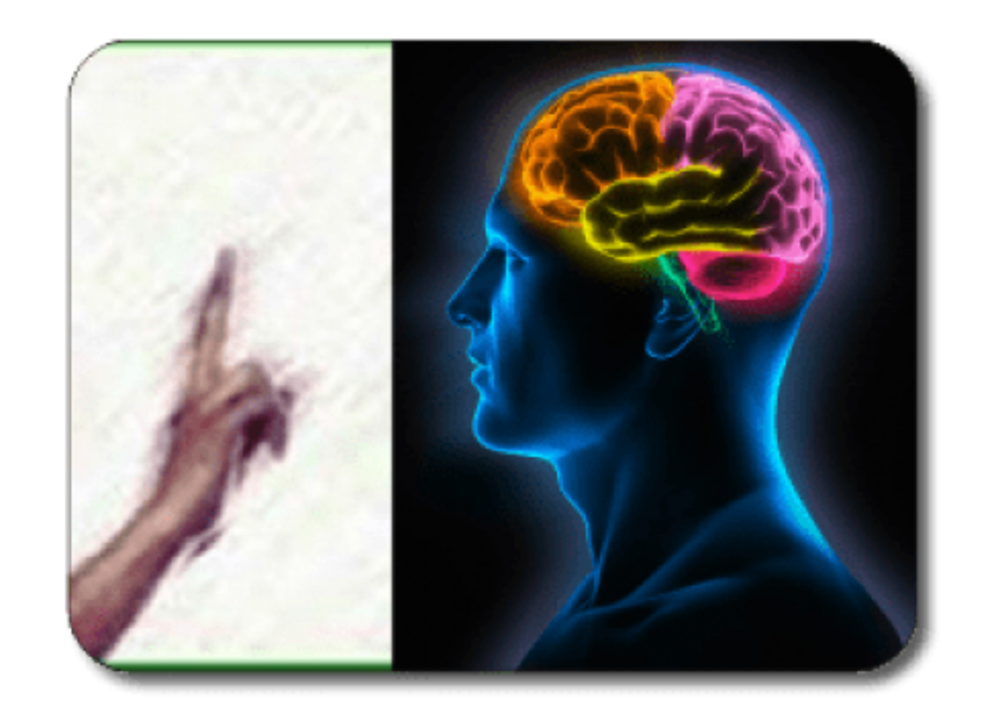
Bilateral eye movements: You follow the counsellor’s hand or a visual cue side to side.
Tactile bilateral stimulation: Gentle taps alternately on your hands.
Auditory tones: Beeps alternating between ears through headphones.
These techniques mimic patterns similar to how your brain naturally processes experiences during REM sleep—a time when our brains naturally consolidate memory. That’s where the name EMDR comes from.
The tools themselves aren’t what heal you. What matters is the EMDR practitioner’s skill in creating a safe space and guiding you through the protocol with sensitivity and pacing that works for your nervous system.
Benefits of EMDR Therapy in Halifax
Eye Movement Therapy Nova Scotia doesn’t just help you cope; it helps you heal at the root level. Clients often report:
Feeling less triggered
Reduced anxiety and panic
Improved sleep
Greater emotional regulation
Increased confidence
Healthier relationships
A sense of freedom from the past
What Happens If You Ignore It?
This might sound a bit heavy, but if your nervous system keeps reacting to distressing memories the same way for months or years, it can have real effects:
Persistent anxiety or panic reactions
Avoidance of people, places, or situations that remind you of past events
Emotional exhaustion or sleep disruption
Low mood or flat affect
Strained relationships due to unexplained triggers
These reactions make daily life harder, not because you’re weak, but because your brain is still stuck in survival mode. EMDR aims to help that part of your brain shift from survival to adaptive processing — meaning you can remember, think about, or talk about the experience without it hijacking your feelings every time.
Early intervention tends to save time and emotional energy in the long term.
Who EMDR Is For
Our personal growth therapy services in Halifax are designed for:
Adults
Teens and adolescents
Trauma survivors
Individuals struggling with anxiety or panic
Professionals experiencing high stress
People who feel “stuck” in other therapies
You do not need a formal PTSD diagnosis to benefit from EMDR. If you’re ready for meaningful change, EMDR may be right for you.
Why Choose Our EMDR Therapy Halifax?
Finding the right therapist matters. At our practice, we provide
Licensed, EMDR-trained clinicians
Trauma-informed, evidence-based care
A safe, confidential environment
Personalized treatment plans
Flexible scheduling
In-person and virtual therapy options
We understand how vulnerable it can feel to reach out for help. Our goal is to make you feel supported from your very first conversation with us.
When you searching for Eye Movement Desensitization and Reprocessing in Halifax, you deserve a provider who is experienced, compassionate, and committed to your healing.
Areas We Serve EMDR Therapy in Halifax
We support adults and teens throughout the Halifax Regional Municipality, including:
Downtown Halifax
Dartmouth
Bedford
Sackville
Clayton Park
Timberlea
Cole Harbour
Our EMDR therapists provide online sessions across Nova Scotia for residents outside the city limits.
Frequently Asked Questions
Is EMDR therapy safe?
Yes. EMDR is a structured and well-researched therapy approach conducted by trained professionals. We ensure you feel grounded and supported throughout the process.
How many EMDR sessions will I need?
It relies on your condition and history. Some clients notice significant relief in a few sessions, while complex trauma may require longer treatment.
Do I have to talk about every detail of my trauma?
No. EMDR does not want you to share all your info loudly.
Is EMDR effective for anxiety?
Yes. EMDR can be very effective when anxiety is connected to unresolved experiences.
Will it hurt emotionally?
Some emotional discomfort may emerge — that’s part of processing. A good EMDR therapists guides you through it safely.
Is EMDR better than talk therapy?
It’s different. EMDR focuses on how memories are stored rather than changing thoughts through talk alone. Many find it brings faster emotional relief when trauma is involved.
Can teens do EMDR?
Yes, many EMDR clinicians work with teens when appropriate, especially for trauma or distress that affects daily functioning.
Do you offer EMDR therapy near me?
If you are located in or near Halifax, we offer both in-person and online EMDR therapy options. Or if you are far away from us, don’t worry; we also offer online therapy all over Nova Scotia.
Taking the First Step
You don’t have to keep carrying the weight of what happened. Healing is not about taking no notice of the past; it’s about releasing yourself from its grasp. If you’re looking for compassionate, effective EMDR therapy in Halifax, we’re here to help. Reach us today to book a confidential consultation and take the next step on the way of inner release.
